


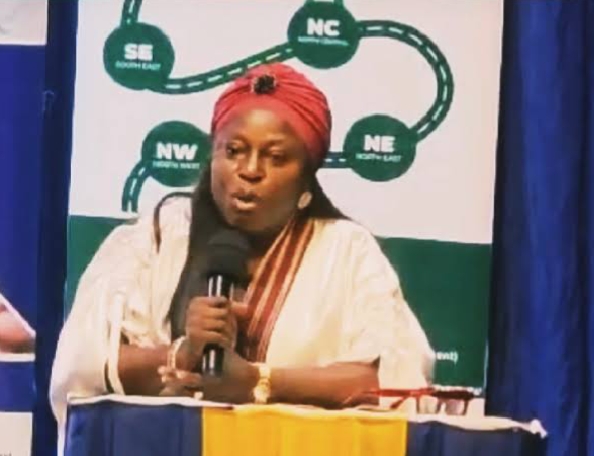

The Lagos Area Manager, National Inland Waterways Authority (NIWA), Engr. Sarat Braimah has called on the Federal Government and private sector investors to significantly scale up investments in Nigeria’s inland waterways, stressing that such action is crucial to unlocking the nation’s blue economy potential and transforming the lives of millions in coastal communities.
Speaking at the 3rd EHINGBETI Blue Economy Hub on Tuesday, Braimah stressed that waterways remain central to the economic and social livelihood of communities surrounded by water.
She noted that despite the enormous potential, Nigeria still lags behind global peers in harnessing its inland water resources for transport, trade, and local development.

“Inland waterways form the majority of what people do directly with the communities that are surrounded by water. There are a lot of potentials in inland waterways, and that is why the government of President Bola Ahmed Tinubu made a special ministry known as the Marine and Blue Economy Ministry,” she said.
Nigeria, according to Braimah, boasts 28 littoral states interconnected by navigable waters, with five West African countries accessible via its inland waterways. This geographical advantage, she said, presents a huge opportunity for inter-regional trade and sustainable transport — if backed by the right level of investment.
Comparing Nigeria’s slow progress with China’s rapid development, Braimah cited the Asian giant’s commitment to inland waterways investment as a model worth emulating.
“If you go to China today, they started investing in their inland waterways five years ago and you can see where they are today — it is what is making them popular in the whole world,” she remarked.
While commending the Tinubu administration for creating the Ministry of Marine and Blue Economy, Braimah emphasized that institutional frameworks alone are not enough.
“Beyond policies and seminars, we have to make the commensurate investment,” she insisted.
She called for targeted funding in critical infrastructure projects such as river dredging, port development, and navigational aids, describing them as capital-intensive but essential to economic transformation.
“Our leaders must not only invest in projects that can be seen immediately, but also in those that have lasting impact — like river dredging, which will open up communities, create jobs, and drive sustainable growth,” she added.
Chairman of the event and Former Minister of Communications,
Major General Tajudeen Olanrewaju (Rtd), emphasized the need for the government to prioritize the inclusion of indigenous coastal communities in its Blue Economy policies.
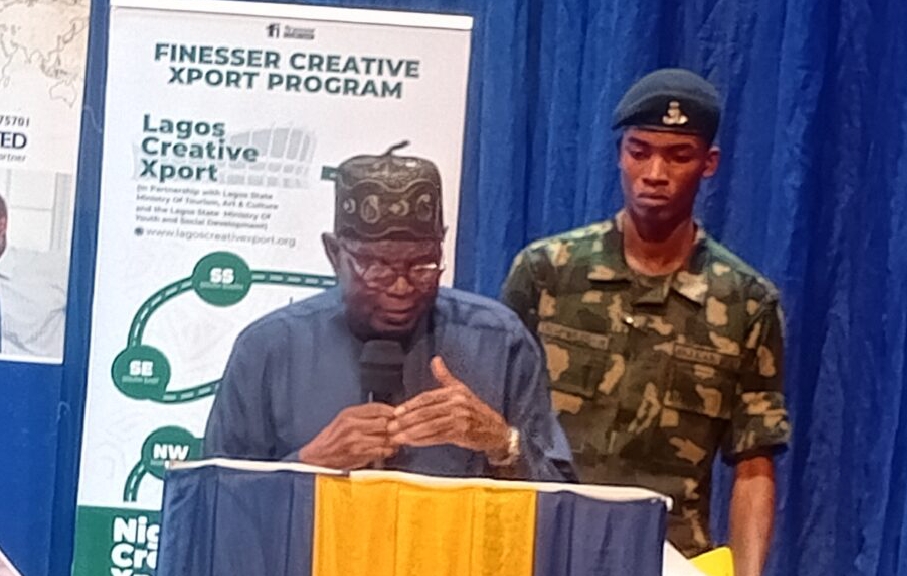
He stated that despite the wealth generated from maritime commerce, the communities where the sea ports and oceans are located have not been fully integrated into the economic gains.
He urged industry experts, policy makers, and government officials to learn from the lessons of past Ehingbeti sessions to formulate and implement blue economy policy in line with local realities.
I” believe this is great opportunity for our industry experts, businessmen and women in the industry, policy makers and government bureaucrat and all other stakeholders to dig deep into the idea, components and values of Eyingbeti with aim of extracting more lessons that will be instructive for successful policy formulation and implementation of the Blue Economy in Lagos in line with our local realities.
“I will like to reemphasize inclusion of indigenous communities in all that will do. The indigenous communities have several and huge values to add to the success of our Maritime activities and projects, ranging from security, manpower supplies, supply of local intelligence and information etc. Their ownership and involvement will guarantee protection for our investments while they also benefit from the development of the local economy.
“However, despite our wealth, the coastal population where our sea ports and the ocean are located have not been fully integrated together with the wealth created from the maritime services. This country is obviously and undeniably rich but yet the local population who are inhabitants in the coastal areas are still affected by poverty due to policy indifference and lack of integration of local skills into the Blue economic system. Poverty is a product of this observation, ” he said.
“Let me say that Nigerian maritime commerce can be saved and can attain economic sovereignty if there is a policy change such as harnessing all the potentials of a truly global Blue Economy.
In her welcome address, Converner of the 3rd Ehingbeti Blue Economy Hub, Mrs Olaitan Williams said the theme of this year’s Hub ‘The Renaissance of Eyingbeti in Community Engagement and Inclusivity’ underscores the importance of engaging coastal communities in the policy creation and implementation process.
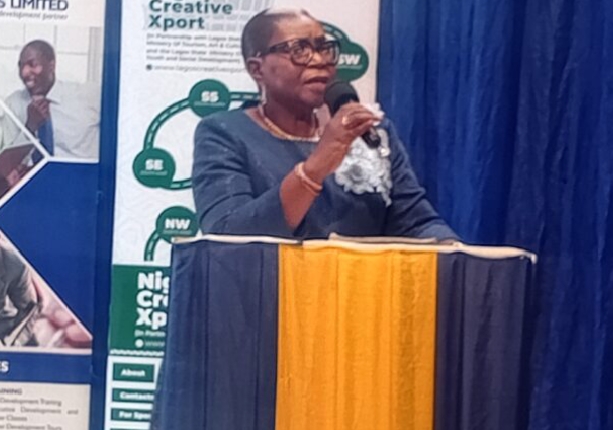
“Over the past two editions, we have drawn valuable lessons from our history and heritage, and we have made significant strides in promoting the blue economy concept.
“At the Ocean Ambassadors Foundation, we firmly believe that the development of our coastal communities is a collective responsibility that requires the active participation of all stakeholders. We cannot afford to leave the government alone in this endeavour.
“All hands must be on deck to develop the wealth of our coastal communities and ensure that the benefits of the blue economy are equitably distributed, ” she said.
More to read
NPA moves to fix rail, upgrade inland dry ports infrastructure
Omi Eko: Management clarifies project implementation process
Customs intercepts N3.67bn cannabis-infused cookies, gummies from Canada at Tin Can port