



Nigeria’s maritime sector is facing a severe manpower shortfall with over 5,000 trained Nigerian cadets currently roaming the streets due to a lack of sea-time experience.
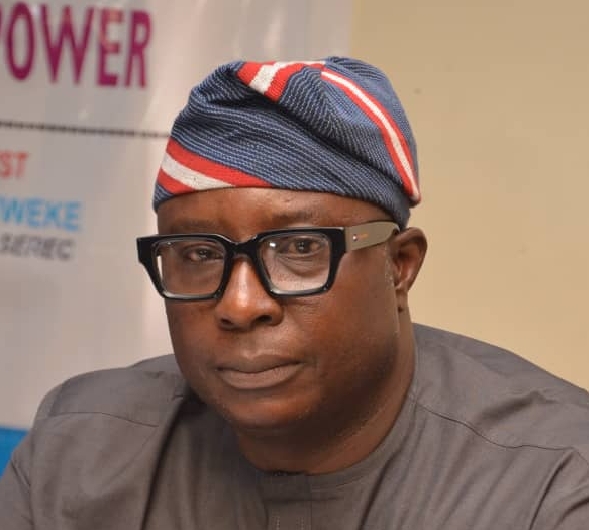
President of the African Shipowners Association (ASA), Captain Ladi Olubowale, raised the concern at the Port News 30th Anniversary celebration in Lagos, on Thursday with the theme “Nigeria’s Shipping Carriage Gaps, CVFF and the Fading Manpower.”
Olubowale warned that the growing shortage of Nigerian maritime manpower threatens the shipping sector’s future, calling for immediate government intervention to place cadets on board vessels for sea-time training.

“Currently, we have over 5,000 Nigerian trained cadets roaming the street due to lack of lack of sea-time. Without practical experience gained through mandatory sea-time aboard commercial vessels, their certificates hold no value. Our knowledge base is fading fast,” he warned.
The ASA President pointed out that if government were to disburse the Cabotage Vessel Financing Fund ( CVFF) and new ships were acquired, the vessels would likely be dominated by foreign professionals because Nigeria has failed to develop its indigenous seafaring capacity.
“You cannot build a maritime sector when you dont have capacity. If we have cargo ships again today, I bet you 85 percent of the crew will be foreigners because we don’t have the capacity. The professionals who can drive it are aging and they cannot be fit to work in that space anymore. This is why we need to impact the technology and knowledge into the younger generation but that is not happening.
“This is the gap that we are seeing in the industry right now.
“We must rebuild the seafarer pipeline through structured cadetship programs, scholarship bonds, and employment quotas linked directly to CVFF financed vessels,” he said.
Captain Olubowale maintained that manpower development is crucial in shipping and it is one of the things that CVFF was designed to address through the granting of loans to qualified investors to acquire ships.
He stated that unless urgent measures are taken to disburse the CVFF and prioritize sea-time training of Nigerian seafarers, the nation will remain largely dependent on foreign operators.
In his welcome remarks, Publisher of PortNews, Mr. Wale Oni, decried the non disbursement of the fund, estimated to be around $800 million,
He lamented that the fund has been kept idle for too long, despite the urgent need for it to revitalize the coastal carriage business and provide necessary cadet training berths.
“Between 2003, it is being mouthed that about 800 million dollars has been realized into the CVFF purse. Some rumour has it to be one billion dollars. Why can’t government tell us the exact amount? Why this level of opaqueness?
Why this humongous volume of public money remain idle for so long, especially now that virtually all tne indigenous companies in coastal carriage business have gone under ?
“At this juncture, i will salute NIMASA for keeping such large sums unscathed in its vault for over twenty years. It is a national record in fidelity.
“But, why would a nation deem it wise to save about 800 million dollars for so long without finding it expedient to dispense it for the purpose it was generated? When thousands of its skilled seamen, master mariners, professionals trained at exorbitant costs in the best shipping schools around the world are loafing around, wasting away? he quizzed.
More to read
Omi Eko: Management clarifies project implementation process
Customs intercepts N3.67bn cannabis-infused cookies, gummies from Canada at Tin Can port
Navy uncovers 40,000 litres of suspected crude oil in Delta