


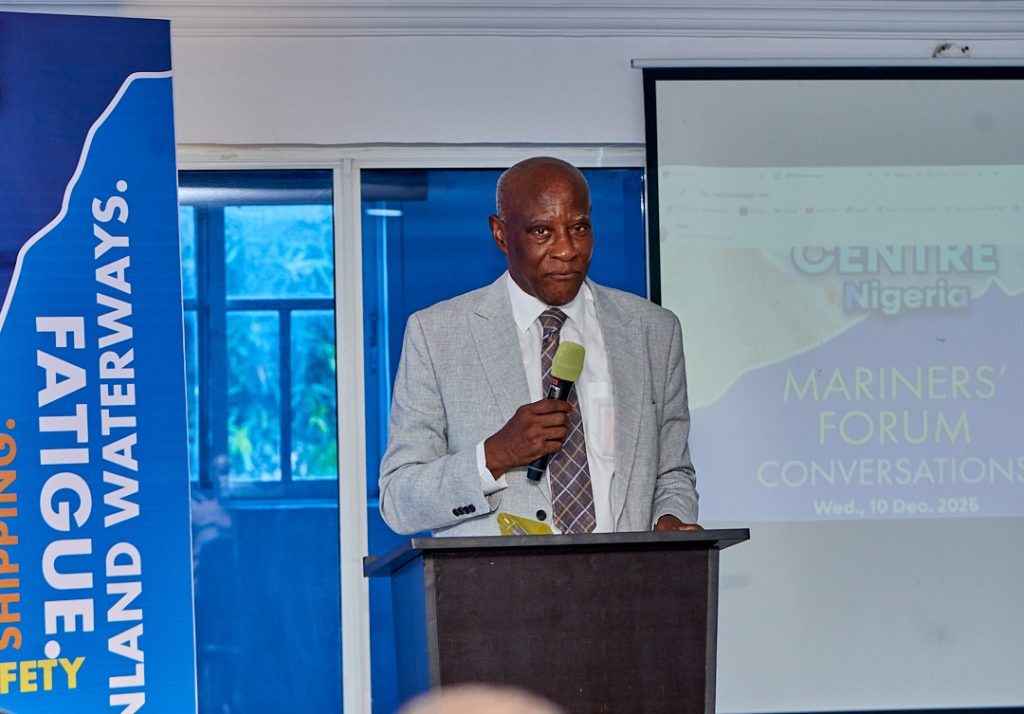

Nigeria’s former minister of Interior and Chairman, Integrated Oil & Gas, Captain Emmanuel Iheanacho, has called on maritime industry stakeholders and port operators to urgently embrace the rapid technological changes sweeping through global shipping, particularly the rise of digitalization, connectivity, and autonomous operations.
Speaking at the newly established Waterside Centre, a maritime community hub in Lagos on Wednesday, Capt. Iheanacho emphasized that failure to adapt could lead to Nigeria being cut off from international trade.
The Waterside Centre, established by Dr. Hope Orivri, Editor OnePage Africa serves as a centre for focused maritime discourse from inland waterways to fishing, seafarers training, mentorship and policy articulation.

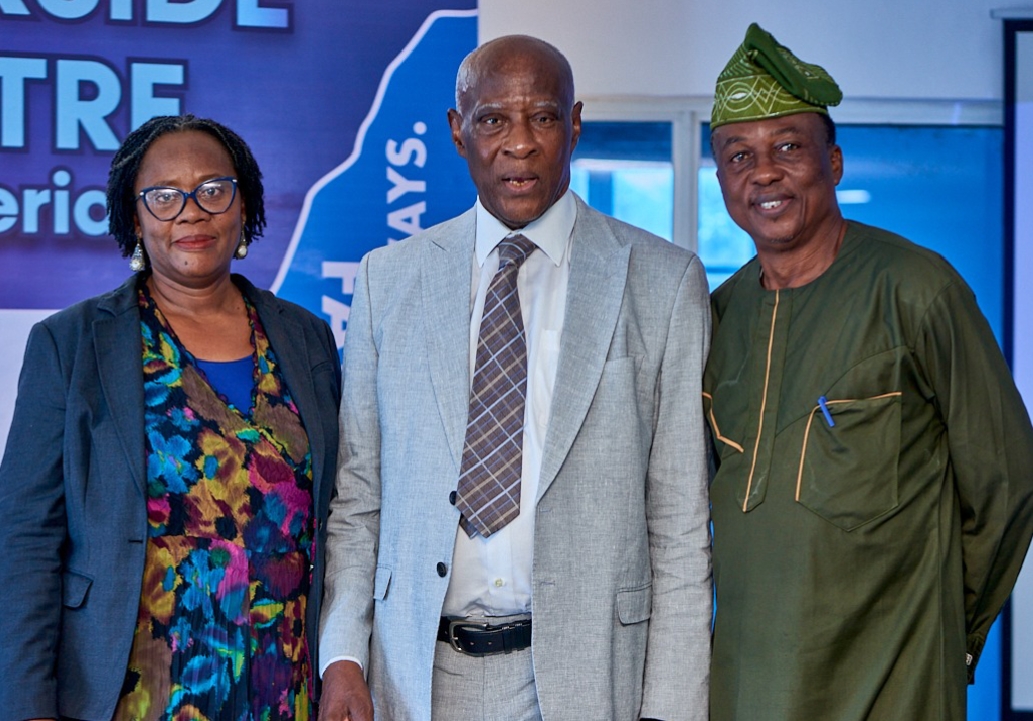
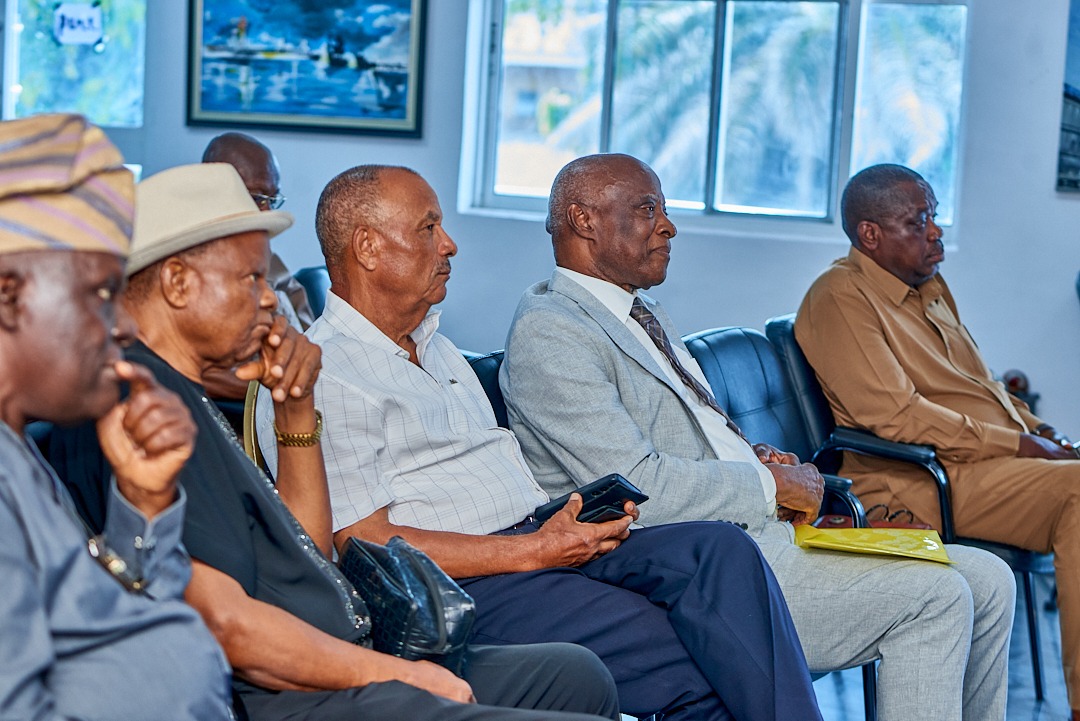
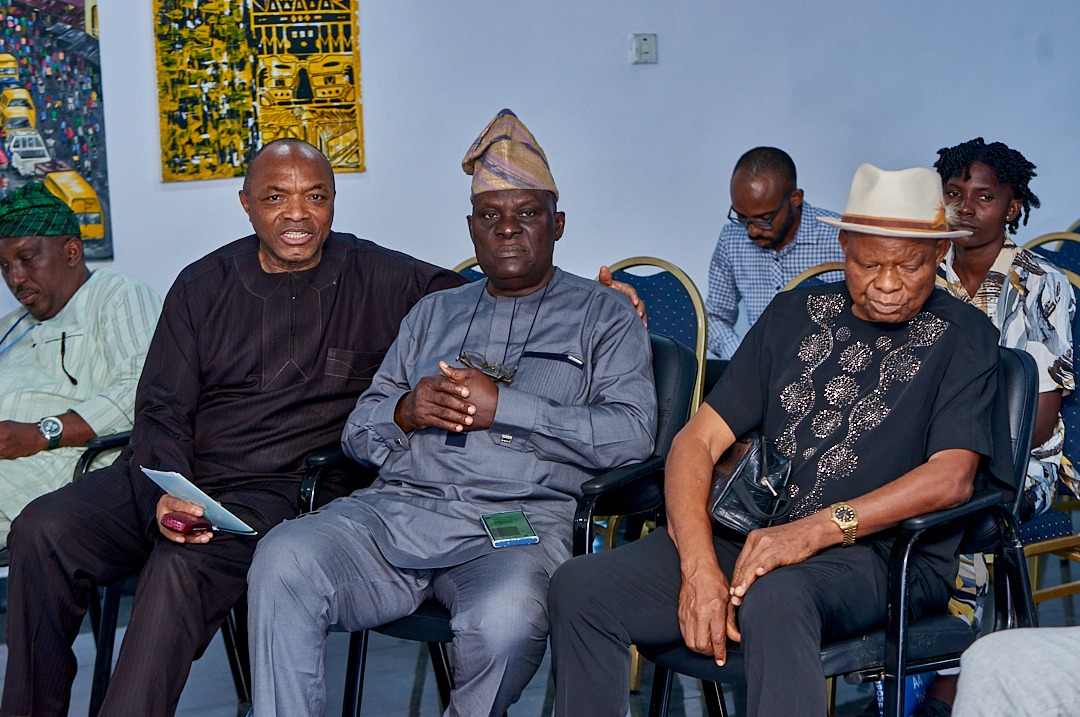
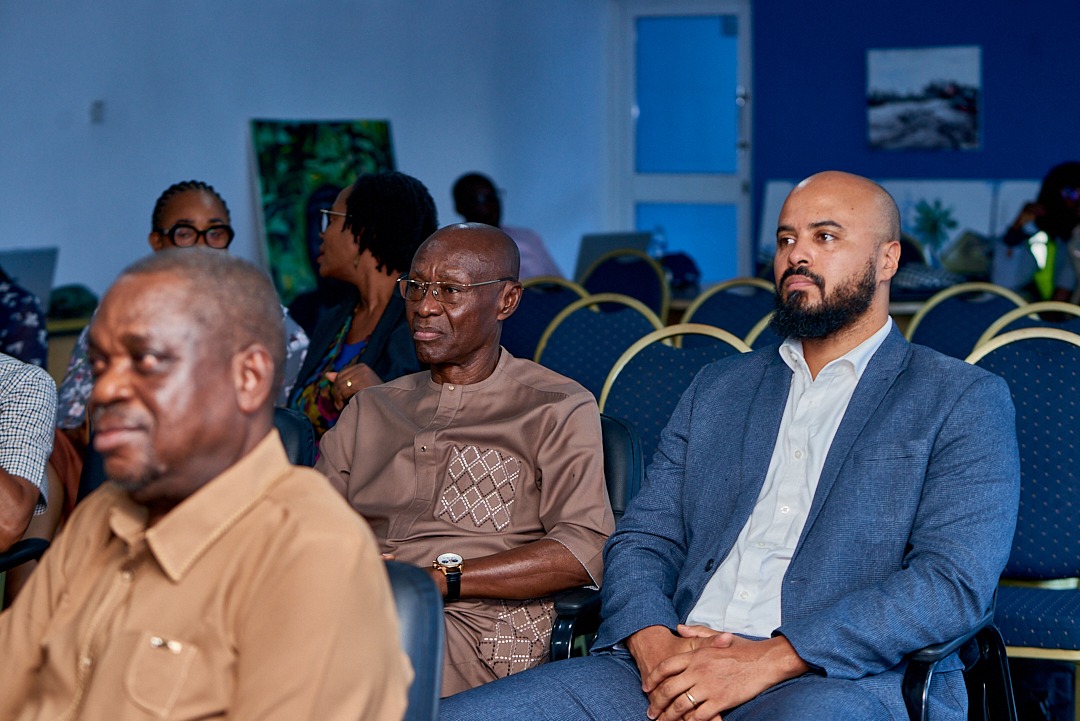
The event held in Apapa brought together master mariners, marine engineers including President, Nigerian Association of Master Mariners, Capt Tajudeen Alao, President, Marine Engineers and Surveyors ( AMES) Engr. Isreal Obadan; former President, AMES, Charles Uwadia and Chairman, Nigerian Ports Consultative Council, Bolaji Sumola among others key industry stakeholders.
In his discussion paper titled, “Contemplating the Future of Shipboard Operation”, Capt.Iheanacho, who is also the Chairman of the Waterside Centre noted that as ships become increasingly autonomous and digitally connected, the traditional role of humans on board is also evolving.
He described a future where vessels operate autonomously, controlled remotely from ashore, much like drones, warning that, “If there is anybody here who is a seafarer as in our own time and he doesn’t understand the language of digitalization and connectivity, he would not be able to work on board the ship. He may not be able to work even as a consultant in a very short time.”
He warned that if Nigerian ports are not sufficiently sophisticated with the necessary sensors and digital devices, they will be unable to receive and discharge cargo from these advanced vessels, potentially isolating the nation from global commerce.
“There’s a lot of technology coming on board. There’s a lot of digitalization coming on board. What does it mean for people who are working on ships currently and people who are going to work on the ships in the future?
“If we are not ready for these changes, and an autonomous vessel calls in Nigerian ports, and we do not have a port that’s sufficiently sophisticated to have all the sensors and all the digital devices in the right places, the ship will not be able to discharge. And we will then gradually find ourselves in a situation where we are cut off from the rest of the world and we are no longer able to trade, “he warned.
Capt Iheanacho stressed that the maritime industry’s revolution—driven by technological advancements, environmental concerns, and changing regulations—demands a completely new skill set from seafarers.
He identified key evolving skill sets a future seafarer, engineer must acquire to include digital literacy, technical expertise- advanced systems, automation, and mechatronics as well as leadership, communication and problem-solving abilities for effective collaboration.
“Navigation officers would need to be able to oversee autonomous operations, with expertise in navigation, safety, and risk management.
“So it’s entirely possible that you could have navigation officers who will be sitting in Apapa here, they have all the skills of a seaman, but they are not going to go on board the ship to exercise it. They are going to sit down in an office, transmit instructions to the ship, and if there is any pushback or any issues, they should be able to sit back and troubleshoot and resolve that issue from where they sit, ” he said.
He concluded by stressing the need for a rapid shift in training methodologies, moving away from traditional on-board learning to simulation-based training, Virtual Reality (VR), and Augmented Reality (AR) modules conducted remotely, warning that failure to catch up will leave Nigeria discussing outdated issues like cabotage laws while the world moves forward.
“This is what is going to happen if we don’t absolutely race. We are going to be sitting down here talking about Cabotage law, CVFF, and we are going to be talking about it for 101 years and people have left. We might find a situation where people finish from here and would gone to Mars and we are still talking about CVFF and cabotage law on this side. So there is a lot of stuff to be done. There is a lot of stuff to be learned and there is a lot of catching up to do, ” he said.
More to read
Again, Customs seizes 204 pump-action rifles hidden in household goods at Tin Can port
Maritime agencies’ revenue jumps 160% to N1. 83tr in 2025 – Oyetola
Nigerian Navy, Turkiye deepen defense partnership, advance fleet modernisation