



The Nigeria Customs Service has announced that it will transition to a fully paperless operational environment by the end of second quarter of 2026.
According to the NCS, the first phase of the paperless transition will cover core clearance and documentation as well as approval processes.
The digital transformation aims to eliminate bureaucratic delays, reduce physical interface, enhance data integrity, and significantly accelerate cargo clearance across the nation’s ports and borders.

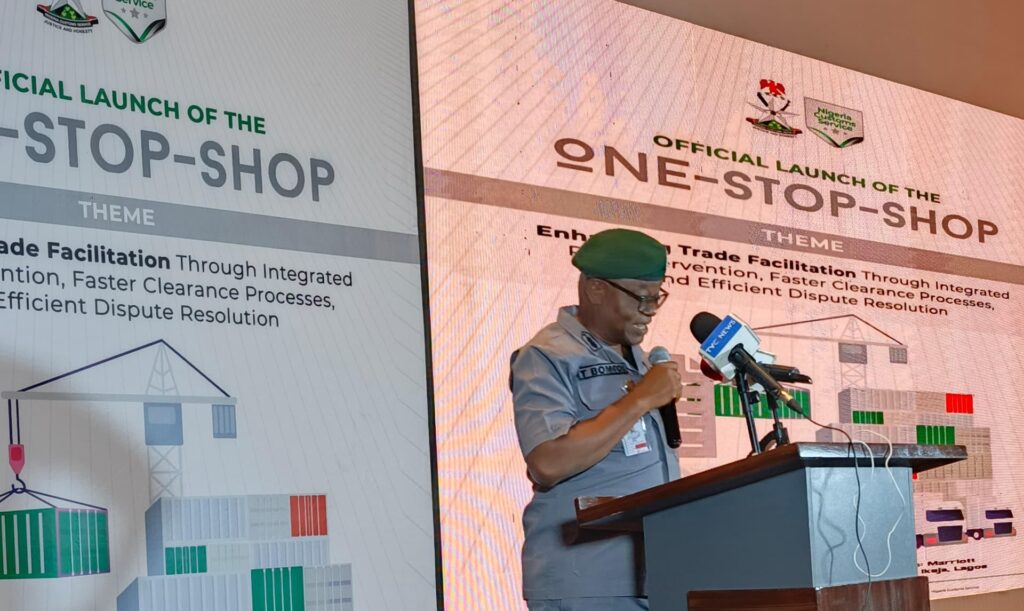
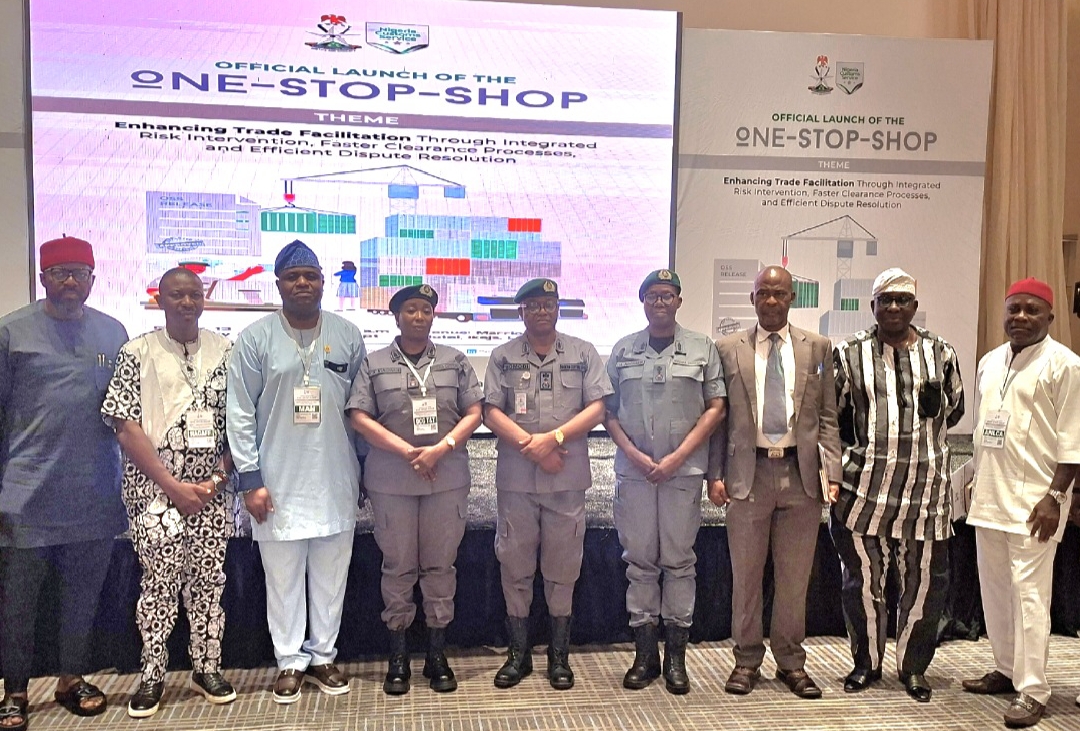
This was made known by the Comptroller-General of Customs (CGC), Bashir Adewale Adeniyi, in Lagos on Friday during the official launch of the One-Stop Shop (OSS) platform.
The OSS initiative, themed “Enhancing Trade Facilitation through Integrated Risk Intervention, Faster Clearance Process and Efficient Dispute Resolution,” Adeniyi said is designed to centralize risk interventions and end the era of fragmented checks.
Represented by the Deputy Comptroller General of Customs DCG Timi Bomodi, Adeniyi explained that the initiative is a direct response to longstanding complaints from the business community.
He noted that while physical inspections often take few hours, goods frequently sit idle for days due to uncoordinated procedures.
“For years, traders, manufacturers, and logistics operators have pointed to delays, overlapping checks, fragmented processes, and unpredictable interventions that increase the cost of doing business and weaken confidence in our systems.
“Nigeria’s recent Trade Policy Review at the World Trade Organization, and the findings of our just-concluded Time Release Study have documented these challenges, showing that while physical inspections often take only a few hours, consignments spend several days in idle
waiting due largely to uncoordinated procedures and system gaps.
“These realities point clearly to structural and procedural gaps that can no longer be addressed through incremental adjustments or isolated interventions. What is required is a coordinated, technology-enabled, and institutionally
embedded solution—one that aligns policy intent with operational reality, balances facilitation with control, and places accountability at the centre
of border management. The Nigeria Customs Service has examined these findings closely, and this engagement marks a decisive step toward
practical, measurable, and sustainable reform, ” he said.
Adeniyi said the OSS platform will centralise valuation, intelligence, enforcement, compliance units and gate operations into a single workflow, adding that digital tracking, automated alerts, joint inspections and shared dashboards will replace multiple fragmented interventions, making all actions traceable, accountable and coordinated.
“Multiple checkpoints are collapsed into one decision space, with interventions that are collective, fully auditable, and aligned with institutional responsibility,” Adeniyi said.
The platform, he said, targets a reduction in cargo dwell time to a 48-hour clearance window, lower compliance costs, stronger revenue assurance and enhanced transparency.
“Throughout this process, our objective remains consistent: to facilitate legitimate trade without compromising control, to enhance efficiency without weakening compliance, and to pursue innovation firmly anchored in institutional discipline and regulatory responsibility.
“This platform is a deliberate shift from fragmented interventions to coordinated governance, from discretion to data, and from isolated actions
to collective responsibility. Through this reform, the Nigeria Customs Service continues to build systems that support lawful trade, protect
national interests, and serve the economy with professionalism and integrity, ” he said.
Adeniyi also reaffirmed the Service commitment to the National Single Window project, which is expected to go live by the end of Q1 2026.
He said the NSW will complement the OSS by extending coordination across the entire border management ecosystem.
In her remarks, Deputy Comptroller-General in charge of Tariff and Trade, Caroline Kemen Niagwan, said the digital platform now consolidates all risk interventions into a single interface, eliminating procedural complications and improving clearance efficiency.
She, however, explained that the OSS specifically targets declarations that requires interventions or those flagged with alerts.
In their seperate goodwill messages, stakeholders at the engagement lauded efforts by the Nigeria Customs Service to improve ease of doing business through the one-stop shop initiative.
Rpresentative of the Director General of MAN, Segun Oshidipe and President Association of Nigerian Licensed Customs Agent, Emenike Nwokeoji pledged their support for the initiative, just as they expressed readiness to collaborate with Customs to ensure a successful implementation.
More to read
Again, Customs seizes 204 pump-action rifles hidden in household goods at Tin Can port
Maritime agencies’ revenue jumps 160% to N1. 83tr in 2025 – Oyetola
Nigerian Navy, Turkiye deepen defense partnership, advance fleet modernisation