


The Nigeria Customs Service on Wednesday began sensitization of stakeholders ahead of the January 2026 full migration from the current Fast Track Scheme to the globally recognized Authorized Economic Operators (AEO) Programme.
The migration, according to the NCS is part of a broader reform agenda aimed at enhancing trade facilitation and strengthening supply chain security.
Addressing stakeholders including importers, clearing agents and members of the organized private sector at the event held in Lagos, Comptroller General of Customs, Adewale Adeniyi stated that the AEO program represents a paradigm shift in the way the Customs interacts with the private sector.
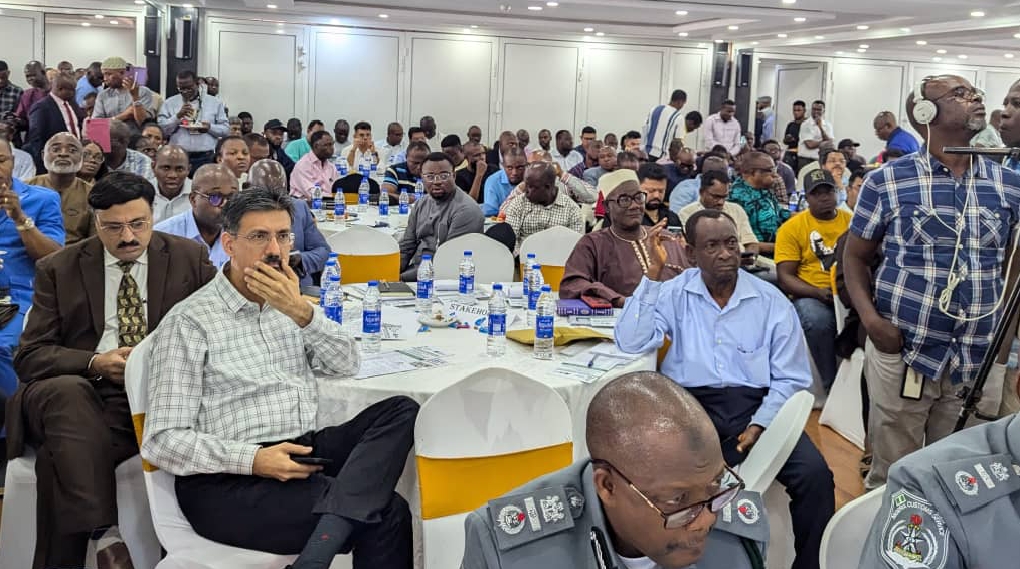
Represented by the Zonal Coordinator in charge of Zone ‘A’, Assistant Comptroller General (ACG) Charles Orbih, Adeniyi highlighted that while the Fast Track Scheme served its purpose for over a decade, it lacked a formal legal framework and was no longer aligned with the dynamic nature of the global supply chain.
The AEO program, he explained, is a more structured, risk-based, and transparent model developed in line with the World Customs Organization’s SAFE Framework of Standards.
He said benefits for certified businesses include faster clearance, reduced physical inspections, dedicated service desks, and priority treatment during port congestion, all of which contribute to cost reduction and improved supply chain efficiency.
Adeniyi said a recent Time Release Study (TRS) revealed that AEO-certified businesses already enjoy a significant reduction in cargo clearance time, averaging 43 hours compared to non-AEO traders.
“The AEO programme was first piloted in Nigeria on 15th April 2024, and following thorough testing, capacity building, and stakeholder consultations, the national launch was held on 14th February 2025.
The objective is to identify and reward businesses that demonstrate consistent compliance with Customs and tax regulations by granting them faster, more predictable, and more efficient clearance processes.
“AEO-certified businesses enjoy a wide range of benefits, including faster cargo clearance and release, reduced physical inspections, dedicated service desks at ports and terminals, priority treatment during disruptions or port congestion,improved dispute resolution channels, greater supply chain visibility and global recognition.
“This reform not only supports trade facilitation but helps Nigeria meet its obligations under the WTO Trade Facilitation Agreement, making our trade ecosystem more competitive and business-friendly,” he said.
Speaking on the Post Clearance Audit ( PCA) reforms, Adeniyi said the unit has been restructured with a dedicated Assistant Comptroller-General to ensure robust audit-based controls without disrupting legitimate trade, thereby reinforcing the AEO framework.
In his welcome address, Assistant Comptroller General of Customs in charge of the PCA unit, Zanda Chiroma, noted that the Fast Track scheme will be officially decommissioned on December 31, 2025, and urged all existing beneficiaries to submit new AEO applications through the official portal aeo.nigeriatradehub.gov.ng.
Chiroma assured stakeholders of a smooth and credible transition process, with clear operational guidelines and a trained team of validators in place.
“This migration is taking place within the broader framework of NCS reform—one that is anchored on transparency, efficiency, and evidence-based compliance management. Central to this reform is the transformation of the Post Clearance Audit (PCA) regime.
“In recognition of the critical role PCA plays in Customs modernization, the PCA Unit was officially moved from the Tariff and Trade Department to the Office of the Comptroller-General of Customs with effect from 19 December 2024. This strategic realignment underscores the high-level priority now accorded to PCA as a core compliance and revenue assurance function, ” he said.
The Director General of the Manufacturers Association of Nigeria (MAN), Segun Kadir, represented by Secretary Sunday Opeh, however, raised concerns about the AEO program’s application process.
He noted that the conditions for enlistment are currently tedious and difficult, which has resulted in a limited number of companies being onboarded.
He appealed to the Customs management to simplify the process and gradually admit companies, expressing fears that a difficult transition could hinder business for manufacturers.
Kadir also called on the Customs to address the issue of other security agencies, particularly the police, interfering with consignments, a challenge he said plagued the Fast Track scheme.
Responding to these concerns, AEO Team lead, Chief Superintendent of Customs Nnenna Awa, assured stakeholders that unlike the previous scheme, the AEO program has onboarded agencies such as the DSS, National Security Adviser (NSA), NAFDAC, and SON to ensure seamless trade facilitation and eliminate delays.
She said the AEO current application portal, which was opened February 14, 2025, will be closed on August 16, 2025.
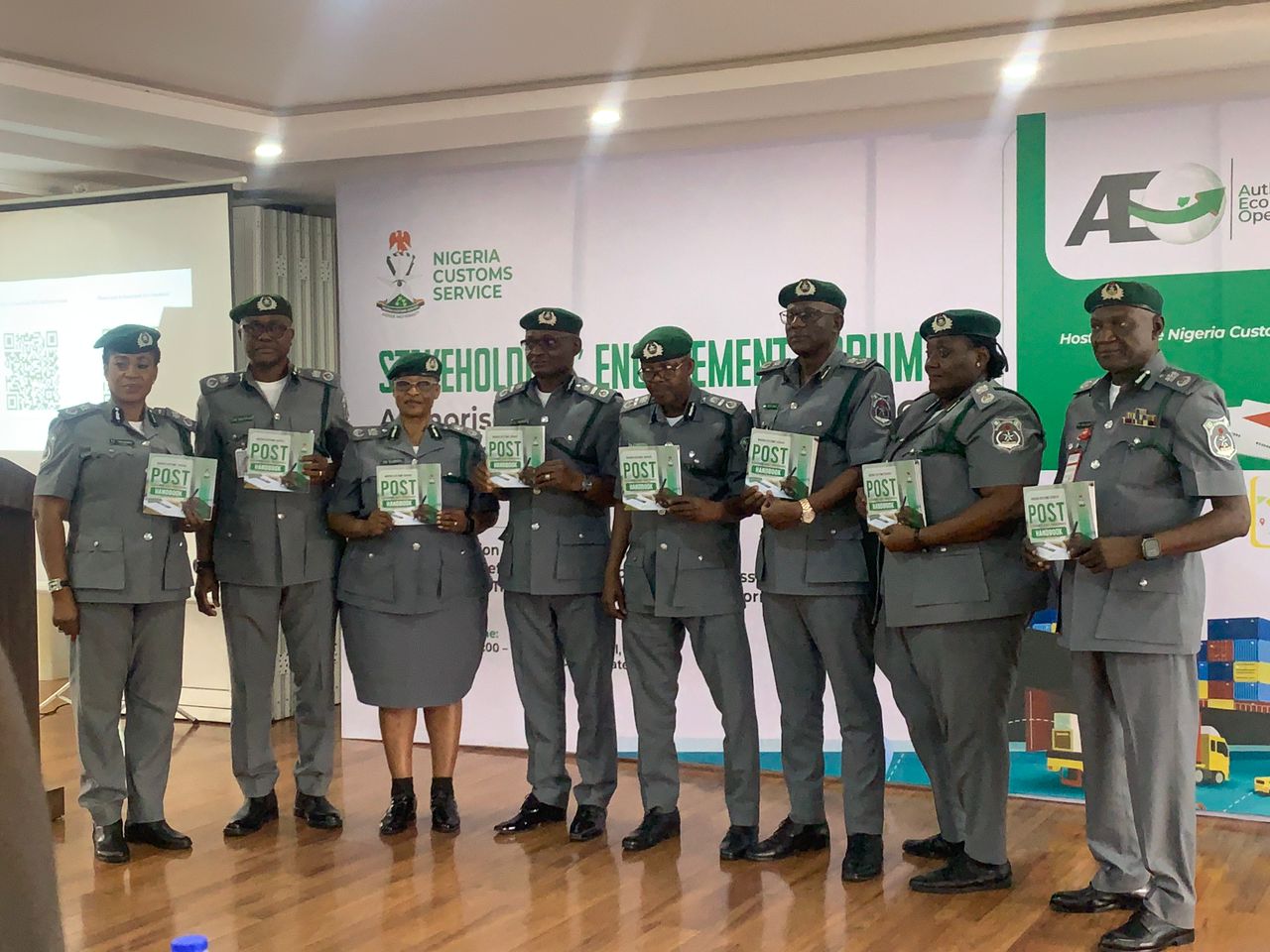
A major highlight of the event was a live demonstration of the online AEO application process and the unveiling of the Post Clearance Audit procedures handbook.
Photo caption:
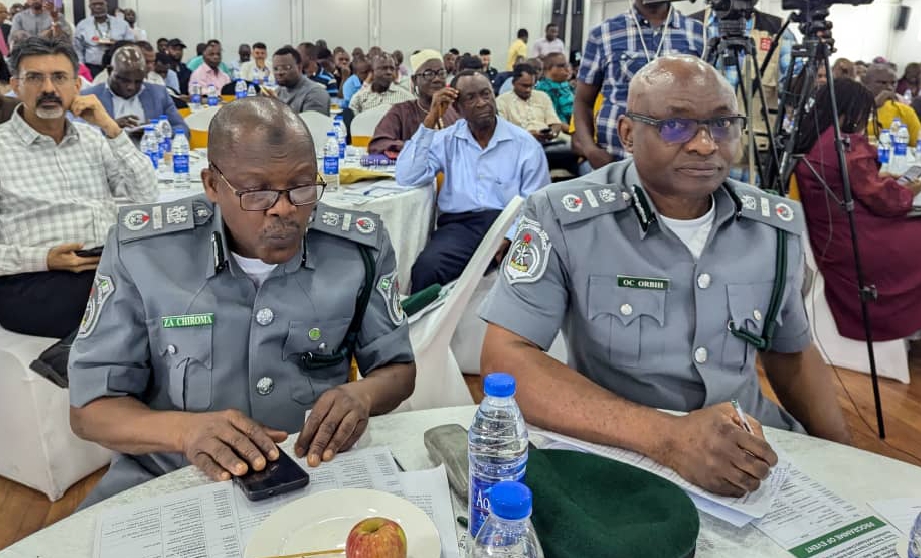
Zonal Coordinator in charge of Zone A, Assistant Comptroller General (ACG) Charles Obih ( right) with the Assistant Comptroller General of Customs in charge of the PCA unit, Zanda Chiroma at the Stakeholders Engagement Forum on AEO programme and Post Clearance Audit ( PCA) reforms in Lagos on Wednesday.
More to read
Clearing agents decry NPA license approval delays, warn of port disruptions
MSC signs 45-year concession with Nigerdock to develop Snake Island container terminal
CNS tasks commanders to leverage intelligence, tech to boost naval operations