


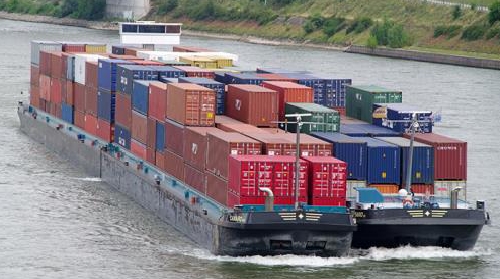
Indigenous barge operators under the aegis of Barge Operators Association of Nigeria (BOAN) have raised an alarm over a sharp decline in local participation within the nation’s maritime sector.
The association revealed that the number of indigenous barge operating companies in Nigeria has plummeted from 83 to just 8, calling for urgent government intervention to prevent the total extinction of local players.
Speaking during the 2026 First Quarter Citizens/Stakeholders’ Engagement and Ministerial Management Retreat in Lagos on Thursday, Director of Operations for BOAN, Nura Wagani,
alleged a coordinated and deliberate attempt by foreign interests to edge local operators out of business.

He expressed concern that policies, operational bottlenecks, and preferential treatment allegedly being accorded to some foreign-linked entities by certain terminal operators are creating an uneven playing field.
His words, “The foreigners have taken over our business. We as indigenous barge operators in the country do not have a say. The foreigners own the terminals and the barges. So where do we run to? We have 83 indigenous barge companies in Nigeria, but now we are just eight remaining. Are we not part of this country? Are we not contributing to the economy?”he queried.
Wagani lamented that despite the presence of four regulatory bodies including the Nigerian Maritime Administration and Safety Agency (NIMASA), the Nigerian Ports Authority (NPA), the Nigerian Shippers’ Council (NSC), and the National Inland Waterways Authority (NIWA) their grievances have gone unaddressed.
He therefore called for the creation of a Deputy Director in charge of barge operations position within the Ministry of Marine & Blue Economy to provide a dedicated channel for indigenous operators to resolve operational challenges.
In his response, the Minister of Marine and Blue Economy, Adegboyega Oyetola, directed the Nigerian Shippers’ Council to investigate the claims and make formal recommendations.
“I am directing the ES of Nigerian Shippers’ Council to look into it, and make a formal recommendations for us to be able to support them, ” the minister said.
Oyetola emphasised the Federal Government’s commitment to protecting local investments and ensuring fair competition within the maritime industry.
He stressed that any form of anti-competitive behaviour or policy inconsistency that disadvantages Nigerian businesses would not be tolerated.
The minister also reiterated the importance of stakeholder engagement as a platform for identifying sectoral challenges and shaping responsive policy interventions.
He noted that the government remains focused on strengthening the marine and blue economy sector as a driver of national growth, job creation, and sustainable development.
More to read
NRS, Customs, PEBEC assess NSW progress, to engage terminal operators on demurrage waivers
Shippers’ Council achieves full digitization via ECMS- Akutah
60 shipowners jostle for cabotage fund as NIMASA pledges transparent disbursement