


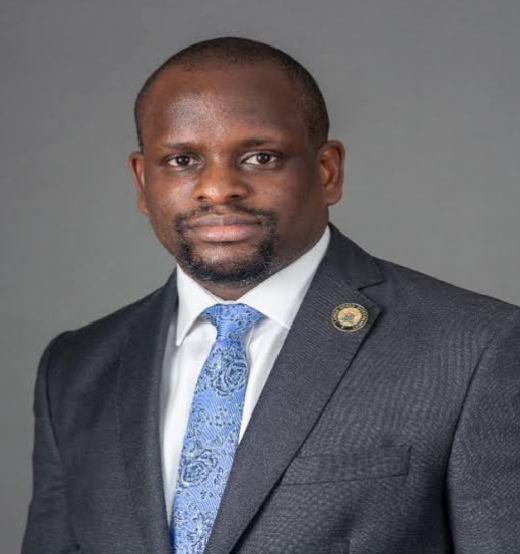

The Lagos State Waterways Authority ( LASWA) has revealed that no fewer than 2 million people now commute through waterways in Lagos on a monthly basis.
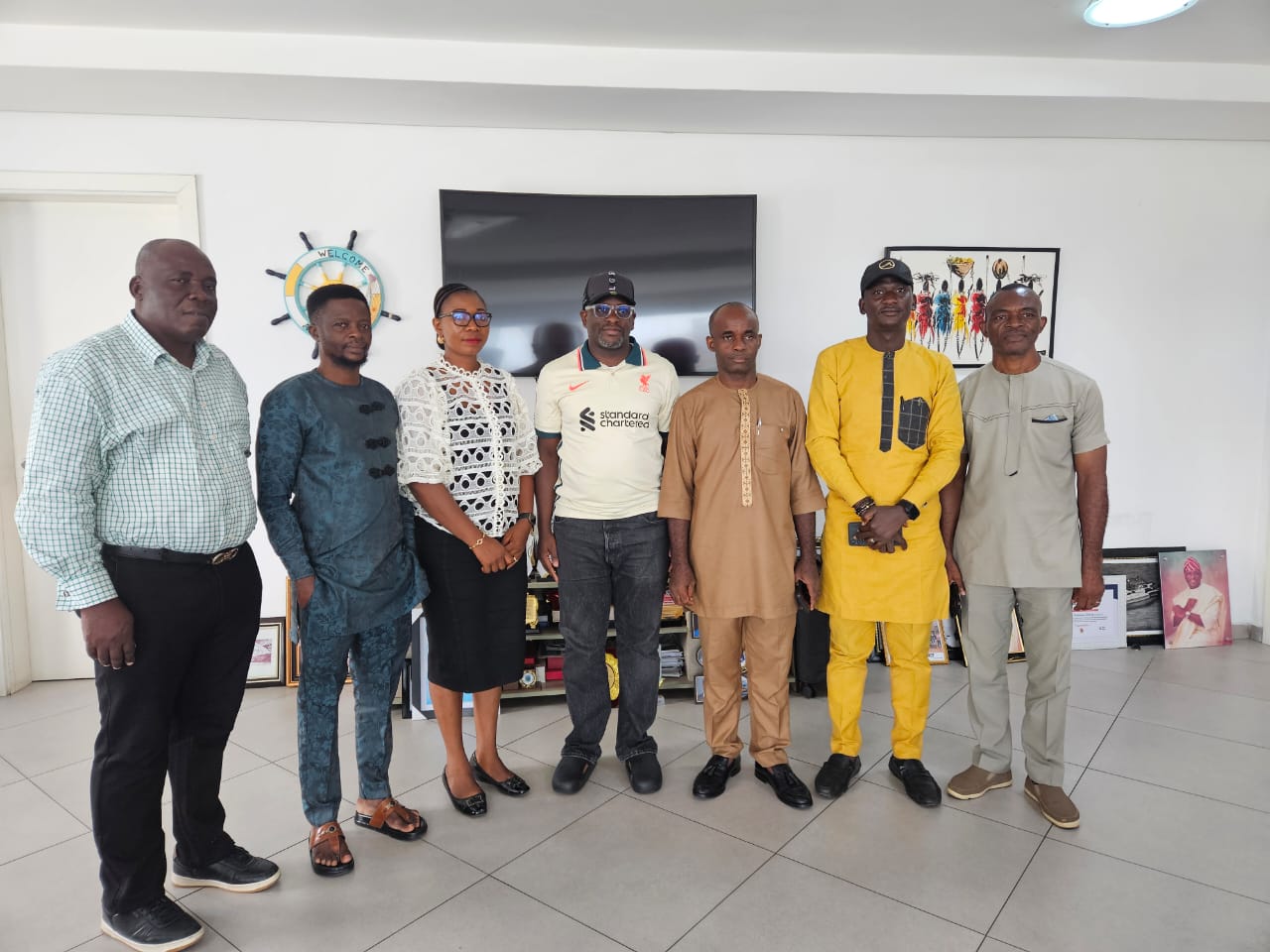
Special Adviser to the Lagos State Governor on Marine & Blue Economy, Damilola Emmanuel disclosed this while hosting members of the Shipping Correspondents Association of Nigeria (SCAN )led by it’s President, Moses during a courtesy visit in Lagos on Thursday.
Damilola, who is also the General Manager of LASWA, acknowledged that while water transportation is more expensive than road travel due to higher operational cost, it offers commuters shorter travel time and relief from traffic congestion.
He said, “Water transport is definitely more expensive than road travel because its components are more expensive.For instance, the cost of a boat is nearly double that of a land vehicle. However, we must look at what is being gained. By choosing the water, you are bypassing traffic and buying back your time.
“For a business person, time is money. If you are delayed on the road, you are losing more than just minutes—you are losing revenue. However, at present, we have average of 1.5 to 2 million people opting to commute by water every month.”
Meanwhile, as part of efforts to modernize water transportation, Emmanuel disclosed that the Lagos State government plans to deploy electric ferries, expand inland waterways, and seamless integration with road and rail systems under a five-year mobility programme.
He said the initiative will include dredging about 140 kilometres of inland waterways, upgrading terminals, and strengthening operational capacity across the sector.
He explained that the project is designed to provide commuters with viable alternatives to road transport and reduce traffic congestion in the state, describing it as the first time Lagos is attracting large-scale investment dedicated solely to water transport.
“The goal is to build an efficient, interconnected system linking the eastern, western, and central parts of Lagos,” he said, adding that the government will prioritise training across the value chain, including boat operators, captains, deckhands, and regulatory agencies, while ensuring the informal sector is not excluded.
A key highlight of the initiative, according to him, is the transition to cleaner energy.
He revealed that pilot schemes for electric ferries have recorded success, while efforts are ongoing to convert conventional engines to Compressed Natural Gas (CNG) as an alternative energy source.
To enhance connectivity, he said the state is developing major transport interchanges in locations such as Mile 2 and Marina, where water, rail, and bus services will converge for seamless mobility.
He added that safety on the waterways has improved significantly, with a decline in accidents attributed to proactive measures, infrastructure investment, and sustained engagement with operators.
On environmental sustainability, Emmanuel highlighted ongoing efforts to tackle marine pollution, particularly plastic waste, through collaboration with environmental agencies and non-governmental organisations.
He also noted initiatives to manage water hyacinth by converting it into useful products such as craft materials and agricultural inputs.
He reaffirmed the government’s commitment to stakeholder engagement to ensure the long-term sustainability of the sector, noting that the initiative aligns with broader efforts to unlock Lagos’ blue economy potential.
In his remarks, Ebosele urged LASWA to deepen collaboration with the media, stressing that such partnerships would enhance public awareness and promote greater engagement, especially among rural communities.
More to read
Omi Eko: Management clarifies project implementation process
Customs intercepts N3.67bn cannabis-infused cookies, gummies from Canada at Tin Can port
Navy uncovers 40,000 litres of suspected crude oil in Delta